 (321) 676-3234

 Back to all posts
Planning a Lighting Upgrade? What Brevard Homeowners Should Know First
Lighting is one of the fastest ways to change how a home feels. Swap a single builder-grade fixture for a pendant, add a few recessed lights, put the kitchen on a dimmer, and a room that felt flat suddenly feels finished. It is also one of the most common calls we get from homeowners in Melbourne, Palm Bay, Viera and across the Space Coast.
Before you start pulling fixtures off the ceiling, here is what we wish every homeowner knew going in. None of it is complicated, but a little planning up front keeps the project safe, keeps the cost honest, and saves you from paying twice.
1. Start with how you use the room
Good lighting is layered. Most rooms work best with three kinds of light working together:
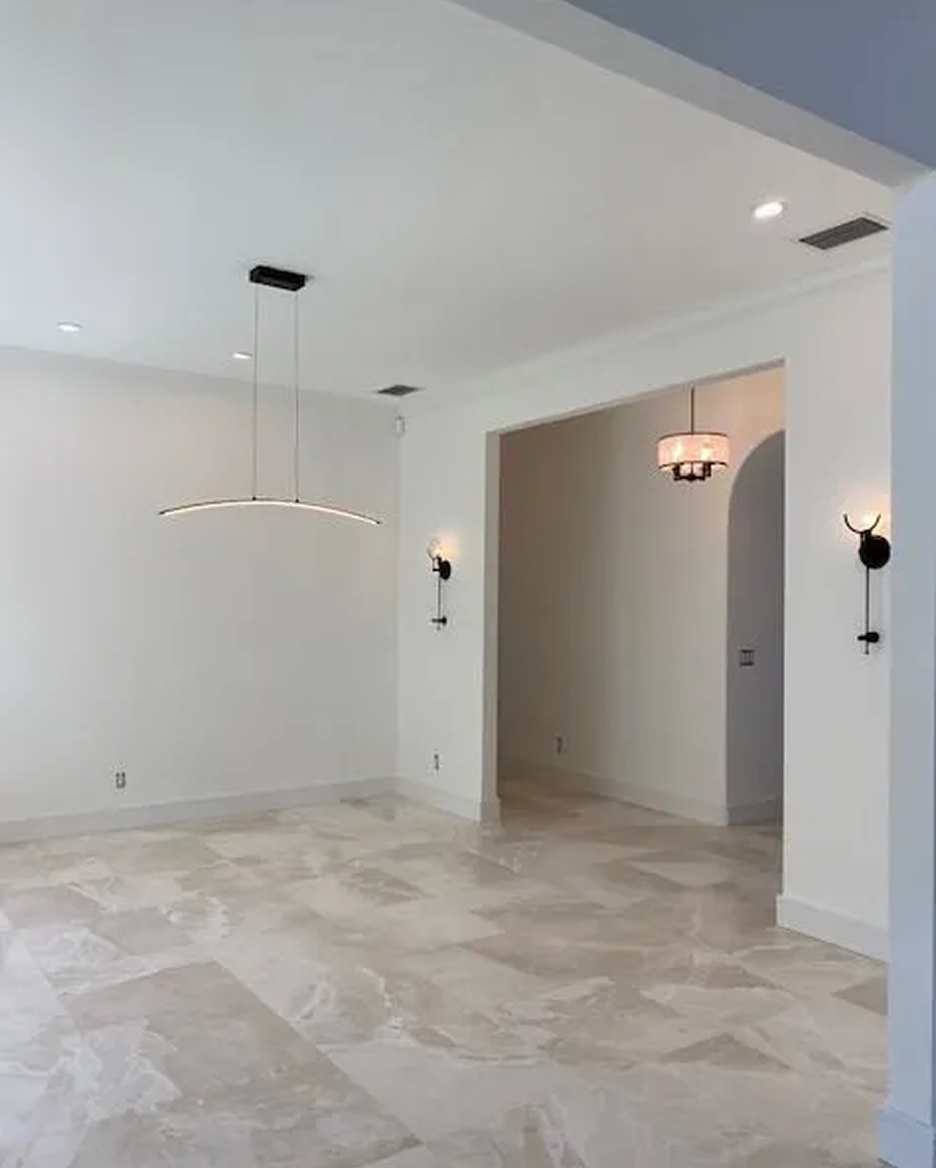
- Ambient light: the general glow that lets you walk through a room. Usually recessed cans or a central ceiling fixture.
- Task light: focused light where you actually do things: over the counter, the stove, a desk or a reading chair.
- Accent light: sconces, pendants or under-cabinet strips that add warmth and highlight the room.
If a room only has one overhead light, it will almost always feel either too dim or too harsh. Adding a second or third layer, and putting each on its own switch or dimmer, makes a bigger difference than buying a more expensive fixture.
2. Know what your wiring can handle
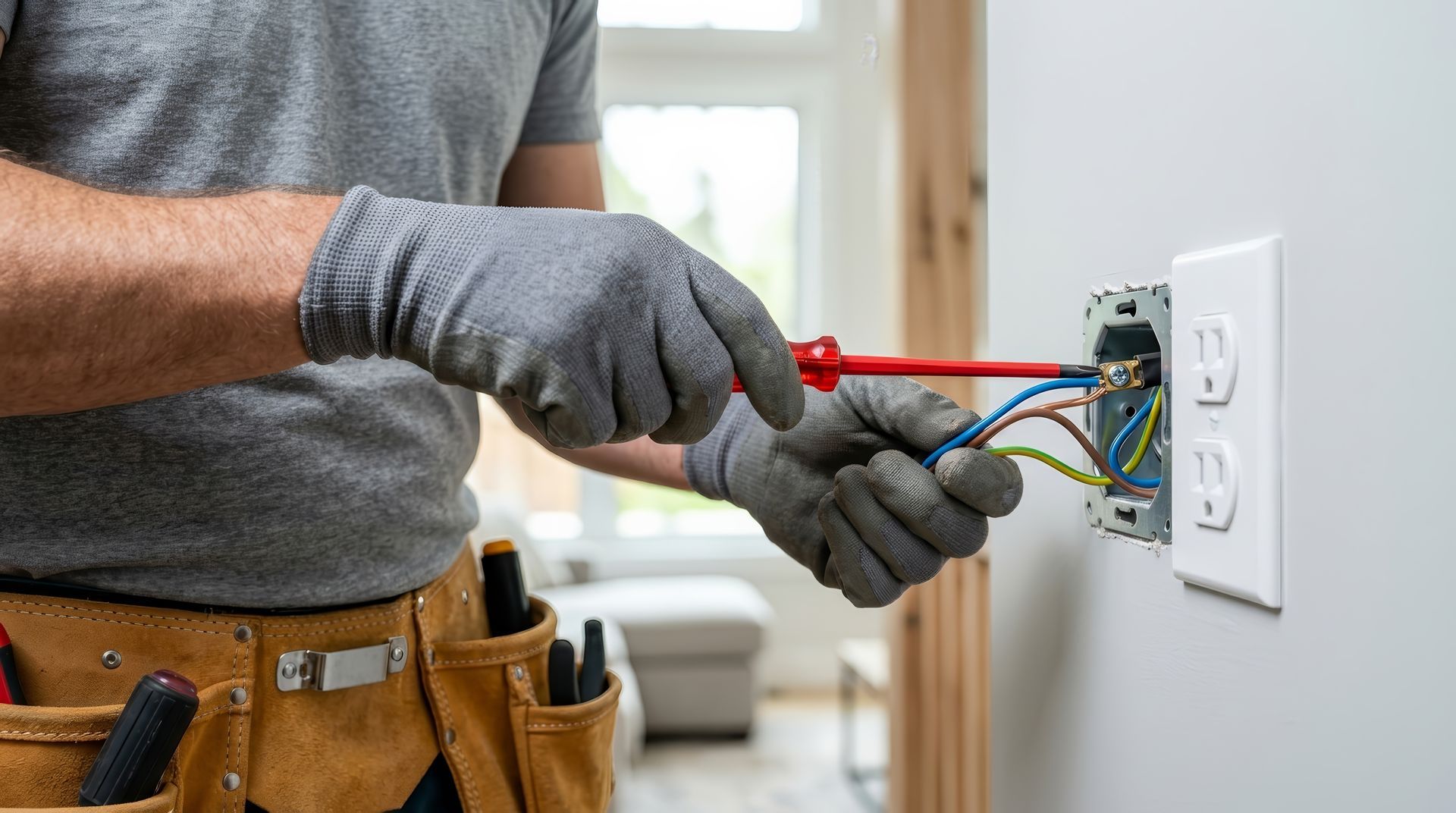
This is where a lot of DIY projects go sideways. Many homes in Brevard County were built in the 1970s and 80s, and the circuits in them were not designed with today’s lighting plans in mind. Before adding fixtures, an electrician should check:
- Whether the existing circuit has room for the added load
- Whether the ceiling box is rated for the weight of the new fixture (heavy pendants and ceiling fans need a properly braced box)
- Whether there is a neutral wire at the switch, which most smart switches and dimmers require
- The condition of older wiring and connections in the attic, where Florida heat takes a toll over time
None of this means you need a full rewire. Most of the time the answer is “you’re fine” or a small adjustment. But it is a lot cheaper to find out before the drywall is cut than after.

3. LEDs, dimmers and color temperature
Almost every fixture we install today is LED, and for good reason: they run cooler (which matters in a Florida attic) use a fraction of the power, and last for years. A few things to keep in mind when you shop:
- Color temperature. 2700K–3000K gives a warm, residential feel for living spaces and bedrooms. 3500K–4000K is crisper and works well in kitchens, laundry rooms and garages. Pick one per room and stick with it so the fixtures match.
- Dimmer compatibility. Not every LED plays nicely with every dimmer. A mismatch causes flicker or buzzing. We pair them so they work together.
- Wafer-style recessed lights. These slim LED fixtures need far less ceiling space than traditional cans, which makes them a great fit for homes with tight attics or low clearance.
Rule of thumb: put every new lighting zone on a dimmer. It costs very little extra during the install and gives you a lot more flexibility later.
4. Outdoor and landscape lighting
On the Space Coast, outdoor lighting takes a beating from salt air, humidity and summer storms. Fixtures should be rated for wet locations, connections should be sealed, and outdoor circuits need GFCI protection. Done right, porch, soffit and landscape lighting adds curb appeal and makes it easier to see who is at the door after dark.
5. When to call a licensed electrician
Replacing a bulb or a like-for-like fixture on an existing box is something many homeowners handle themselves. Anything beyond that (new fixture locations, new switches, recessed lighting, adding a circuit, or anything in the panel) is work that should be done by a licensed electrician and, in many cases, permitted.
When we come out for a lighting project, we walk the space with you, check the panel and wiring, and give you a free, upfront estimate before anything starts. There is no dispatch fee, and billing begins when our tech arrives. If your current setup only needs a couple of dimmers and a new fixture, that is exactly what we will tell you. We do the work that is actually needed and nothing more.
A quick lighting-upgrade checklist
- Walk each room and note where it feels too dark or too harsh
- Decide on ambient, task and accent lighting for each space
- Pick one color temperature per room
- Choose fixtures, then confirm box ratings and weights
- Have an electrician check circuit capacity and wiring condition
- Plan dimmers and switch locations before the install
- Ask for a written, upfront estimate

Ready to brighten things up?
Grand Electric has been helping homeowners across Brevard and Indian River County for more than 30 years. We are local, family-owned, licensed and insured, and we offer senior and military discounts. Call us at (321) 676-3234 (Monday–Friday, 7:30am–4:00pm) or request a free estimate online, and we will help you plan a lighting upgrade that fits your home and your budget.

 7:30am–4:00pm
 Monday–Friday
 Call Now